Staying Safe: Tips to Avoid Deer Collisions This Fall
Embracing the Beauty and Risks of Fall
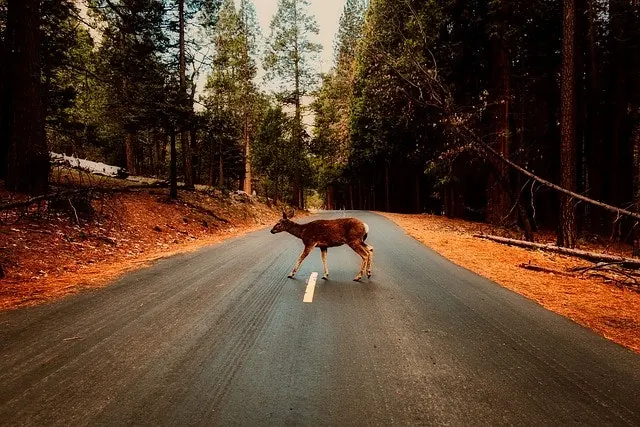
As the leaves turn and the crisp air sets in, fall brings a certain magic. Yet, this picturesque season unveils hidden hazards—most notably a surge in deer-related car accidents. These collisions contribute to over $1 billion in damages annually, with repair costs often hitting the $3,000 mark per incident. However, there are proactive steps you can take to safeguard both yourself and your vehicle during these high-risk months from October to December.
Proactive Safety Tips for Deer Season
- Use your high beams wisely. When driving at night without oncoming traffic, high beams can make a deer’s reflective eyes visible from further away.
- Heed the signs. Deer crossing signs are strategically placed in areas where deer commonly traverse. Slowing down in these zones can provide extra reaction time.
- Look for more than one. Spotting one deer often means more are nearby. If one crosses your path, slow down and remain vigilant for others following it.
- Be mindful of peak activity hours. Deer are most active in the afternoon and less visible at dawn and dusk. Exercise extra caution, especially on rural or wooded roads.
- Know when not to swerve. If a deer is in front of you, apply the brakes firmly while staying in your lane. Swerving could result in more severe collisions with other vehicles or stationary objects.
- Use your seat belt. Wearing a seat belt can greatly reduce the risk of serious injury should a collision with a deer occur.
- If a collision occurs, take the proper steps. Move to a safe location, activate your hazard lights, call the police, avoid approaching the animal, and report the incident to your insurance provider.
Stay Vigilant and Prepared
While deer collisions are a serious concern during fall, adopting cautious driving habits can greatly mitigate these risks. Stay alert, considering every rural road or wooded stretch a potential hazard zone. If you have questions about your auto insurance coverage—especially pertaining to deer-related incidents—reach out to our office. We’re here to help navigate your coverage options and ensure you’re protected this season.
Want a second opinion on your auto insurance?
We will review your current policy, point out gaps, and compare options from multiple carriers. No pressure, no obligation.
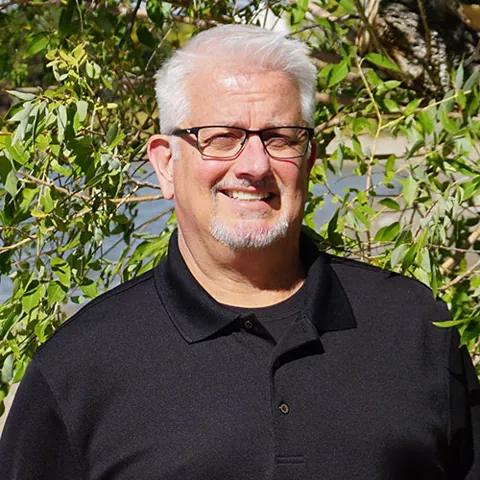
Dale Weese is the owner of The Weese Insurance Agency in Littleton, Colorado, and has helped Colorado families and businesses find the right coverage for more than 20 years. Read Dale's bio.
This article is general information, not advice about your specific policy. Coverage varies by carrier and policy; talk with a licensed agent about your situation.